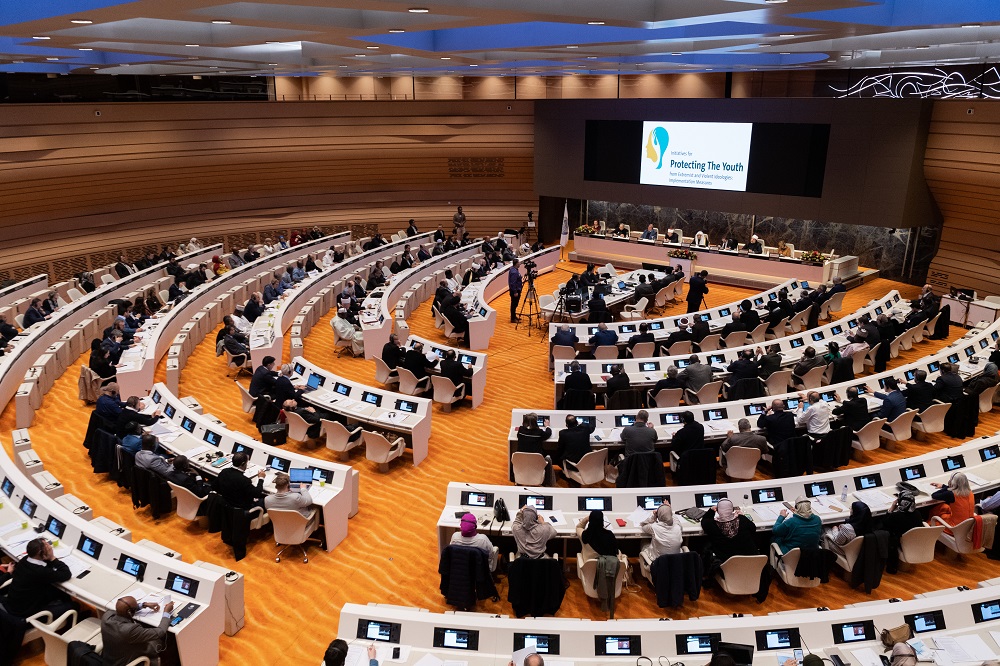
Excerpts from the Speeches of Participants MWL Conference in final session
Dr. Husni Abdi argues that a young person's local context and social conditions are the most influential and predictive indicators of radicalization. Lack of structure creates vulnerability, and the link between delinquency and radicalization is no coincidence.
"There is no time to lose in prevention" - Chiara Sulmoni President of Start In Sight explains how online influence has shortened the timeline of radicalization to 6 months, versus the baseline of 2 years when only offline influences are factors.
Dr. Usamah Mohammed Elabed discussing Egypt's success with initiatives to create agency among its youth. Religious, academic, and political institutions alike have a place in creating support systems for young people and combating the influence of extremist ideologies.
Dr. Sami Fridhi of Ez-Zaytoonah University Tunis spoke about the message of moderation inherent in Islam, and encouraged including religious leaders to the dialogue to find solutions to the breakdown of families and communities, which he considers an important factor.
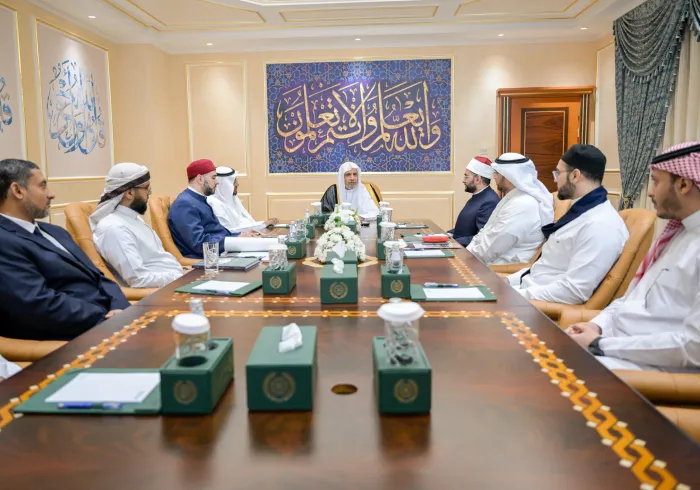
سیکرٹری جنرل رابطہ اور چیئرمین مسلم علماء کونسل، عزت مآب شیخ ڈاکٹر محمد العیسی نے مکہ مکرمہ میں رابطہ عالم اسلامی کی "عالمی ڈیجیٹل قرآنی درسگاہ" کے ممتاز قُرّاء سے ملاقات کی
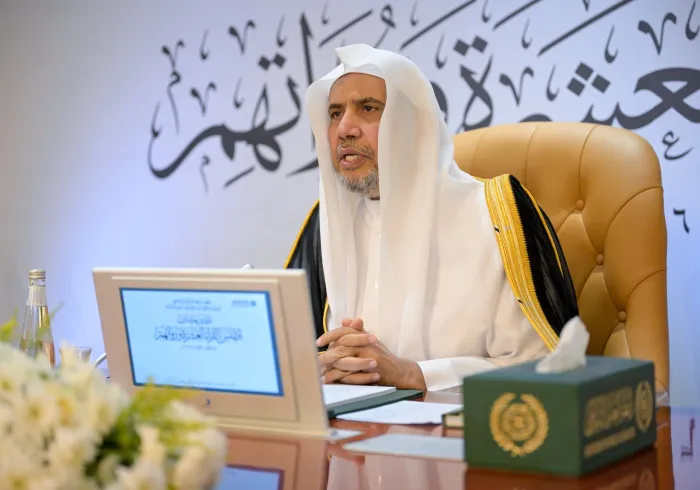
مکہ مکرمہ میں رابطہ عالم اسلامی کے مرکزی دفتر میں، سیکرٹری جنرل رابطہ، عزت مآب شیخ ڈاکٹر محمد العیسی کی جانب سے کتاب ”قراء عشرہ اور ان کے راویوں کا اطلس“ کی تقریبِ رونمائی کی جھلکیاں، جس میں کتاب کے مؤلف، شیخ…